Build a kitchen that supports cooking, storage, and calm daily resets
This section teaches a practical, zone-based kitchen setup: keep essentials close to where you use them, reduce duplicates in prime space, and set up simple routines that make tidying predictable. The goal is functionality, not perfection.
Kitchen zone map (quick reference)
A simple way to place everyday items so the most common tasks have a clear home.
If you share a kitchen, zones help everyone put items back consistently. Start with one zone and expand once it feels stable.
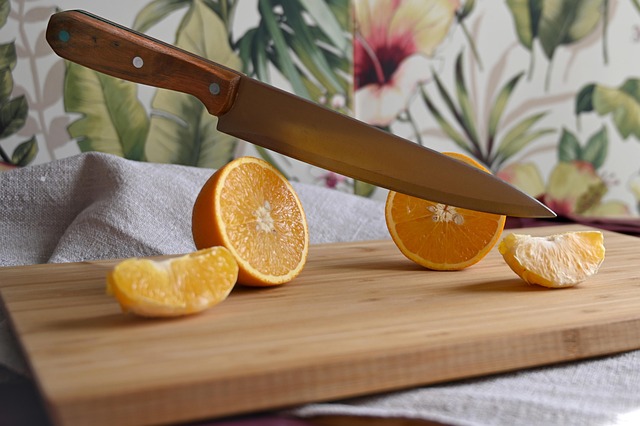
Kitchen organization foundations
A tidy kitchen is mostly about placement and repeatable habits. Start with daily-use items, limit what stays on the counter, and choose storage that supports quick put-away. This page focuses on fundamentals you can apply with what you already have.
Counter rules that reduce clutter
Choose a small “allowed list” for the worktop: items used every day and needed for meal prep. Everything else earns a cupboard home. A clearer counter makes cleaning faster and cooking less stressful.
Drawer logic for daily tools
Group by task: prep tools together, cooking utensils together, and serving tools together. Keep the most-used items closest to where you cook. This reduces duplicates because you can see what you already have.
Fridge layout by use
Create simple shelves for breakfast, lunch prep, and cooking ingredients. Use one visible “use soon” area to reduce waste. The goal is clarity: you should find what you need in seconds.
Pantry grouping that stays tidy
Store food by category and frequency: daily staples at eye level, baking items together, and backstock in one defined area. A clear grouping system makes shopping and meal planning more straightforward.
Want the broader method first? The Guides section explains zone planning and maintenance routines you can apply to any room, including kitchens.
Go to Guides
A simple kitchen reset routine
The most effective kitchen habit is a short reset that happens at roughly the same time each day. It keeps dishes from piling up, protects worktops, and makes the next meal easier to start. The routine below is designed to be realistic for families and shared homes.
What to aim for
- Clear one main worktop area for tomorrow’s prep.
- Put daily items back to their zone so the kitchen “reads” clearly.
- Refresh the sink and bin area to prevent lingering smells.
Step 1: Dishes first
Load the dishwasher or wash the essentials. If time is limited, wash items needed for tomorrow: a pan, a knife, and a board. A clear sink makes every other task quicker.
Step 2: Sort waste
Empty food scraps, replace liners if needed, and reset the recycling spot. Keeping one defined waste area avoids random piles on worktops.
Step 3: Wipe and dry
Wipe high-touch surfaces and worktops, then dry quickly. A fast wipe reduces deeper cleaning later and keeps the kitchen comfortable to use.
Step 4: Put items back to zones
Return oils, spices, utensils, and containers to their place. If an item never returns easily, the zone might be wrong. Adjust the location rather than blaming willpower.
For broader routines that cover bathrooms, laundry, and shared spaces, visit Guides.
Join a Workshop
Kitchen FAQ
Common questions about kitchen organization, with answers focused on everyday homes and shared routines.
How many items should stay on the counter?
Keep only daily-use items that support how you cook and clean. A practical test is whether the item is used most days and whether moving it away would slow you down. If it is used weekly or less, it usually belongs in a cupboard.
What if I do not have enough cupboard space?
Start by defining prime space for daily tools, then move occasional items to higher shelves or deeper storage. If you have backstock, keep it in one clearly defined spot so it does not spread across multiple cupboards. Small kitchens benefit most from strict categories and a clear “use soon” food area.
How do I organize spices without overcomplicating it?
Keep daily spices near the cook zone and store occasional ones separately. Sort by how often you use them, not alphabetically. If you cook specific cuisines regularly, grouping by cuisine can also be practical.
What is the fastest daily reset when time is tight?
Clear the sink, wipe the main worktop, and put three categories away: cooking utensils, food items, and cleaning supplies. This keeps the kitchen functional even if other tasks wait until tomorrow.
For more general questions about the platform, visit FAQ.
Next: small-space storage ideas
Many kitchen challenges are really small-space challenges. If your kitchen is compact, learning how to use vertical space and multi-use storage helps you stay tidy without overcrowding. Our small-space section focuses on practical layouts and simple storage rules that work in apartments and shared homes.